Buying a first pool heat pump looks simple until the unit is running and the power bill arrives. Most costly mistakes happen at the purchase stage, long before installation, when a buyer picks on headline price or a single warm-weather rating and skips the checks that actually decide comfort and running cost.
This article walks through the biggest mistakes people make when shopping for a pool heat pump, explains why each one hurts, and points to the models that forgive a first-time buyer's uncertainty while keeping electricity use low.
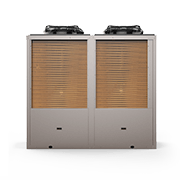
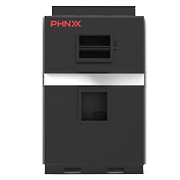
The most damaging mistakes are undersizing the unit for the pool volume and local climate, ignoring the difference between inverter and fixed-speed models, and buying on sticker price alone. For a first purchase, the PHNIX i-GreenLine is a forgiving, efficient choice, an R290 inverter pool heat pump with AI CoreTech and AI Full Inverter control that reports 35 percent or more savings against conventional variable-speed pool heat pumps. The right size and a correct install matter more than any brand name.
Sizing is where most regret begins. A pool heat pump has to match water volume, surface area, target temperature, and the local climate, not just the pool's length in a catalogue.
An undersized unit runs almost constantly and still never reaches the set temperature on cool days. That means higher electricity use, more wear, and a swim season that starts late and ends early. Buyers often pick the cheapest model in a range without asking whether it has the capacity for their water volume in their region.
The fix is to size for the coldest weeks you actually want to swim, not the mild average. A model with genuine capacity headroom holds temperature comfortably instead of running flat out, which protects both comfort and running cost.
This is the single decision that most changes a pool owner's yearly bill, and many first-time buyers never learn it exists.
A fixed-speed pool heat pump runs at full power or not at all. It reaches temperature, switches off, then restarts at full load when the water cools, and it repeats that cycle all season. That on-off pattern wastes electricity, stresses the compressor, and is noticeably louder each time the unit kicks back on.
An inverter pool heat pump varies compressor speed to match the heat the pool actually needs. Once the water is warm it settles into a low, steady output that sips power and runs quietly. Over a full season the inverter's steady low-speed running is where the real savings appear, which is why the extra upfront cost usually pays back through lower bills.
A heat pump can only replace heat as fast as the pool loses it, and an uncovered pool loses heat constantly to evaporation and night-time cooling.
A pool cover is the cheapest efficiency upgrade a buyer can make, and skipping it forces even a well-sized inverter unit to work harder than it should. Many people invest in an efficient heat pump, then let an open water surface throw much of that efficiency away. Pairing the right pump with a cover keeps the water warm overnight and shortens how long the unit has to run each day.
The lowest sticker price rarely wins over the life of the equipment. A pool heat pump is a multi-season purchase, so the number that matters is the total cost of ownership, not the tag in the shop.
A cheap fixed-speed unit can cost more within a couple of seasons once the electricity bills are added up. Corrosion-prone materials, thin warranties, and weak efficiency ratings all show up later as repairs and higher running costs. Judging a unit by its purchase price alone hides the parts of the bill that arrive month after month.
Pool environments are harsh. Chlorine, salt, humidity, and outdoor weather all attack a heat pump's internal components, and the refrigerant choice carries both efficiency and regulatory weight.
Corrosion resistance decides how long the unit survives near pool water. Titanium heat exchangers and treated coils resist the chemistry far better than untreated parts, so a buyer who ignores build quality may be replacing the unit sooner than expected.
Refrigerant type matters for both performance and future compliance. R290 (propane) carries a global warming potential of just 3, which already meets tightening EU F-gas rules, while many older refrigerants sit far higher and face restriction. Choosing a low-GWP refrigerant now avoids buying a unit that regulation is already moving away from.
Two final mistakes cost buyers comfort and confidence.
Noise is easy to overlook in a showroom and impossible to ignore in a back garden. A fixed-speed unit cycling on at full power near a patio or a neighbour's fence becomes a genuine nuisance. An inverter running at low steady speed is far quieter through an evening swim, so the sound rating deserves a look before purchase.
Skipping certifications removes the only independent proof a buyer has. Marketing claims mean little without third-party testing behind them, and a unit with no recognised marks leaves efficiency and safety claims unverified. Certifications are the buyer's evidence that the numbers on the box were actually measured.
For a first-time buyer, the safest choice is a unit that forgives small sizing and setup errors while keeping electricity use low, and the PHNIX i-GreenLine is built for exactly that.
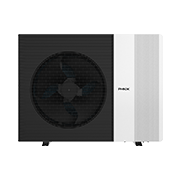
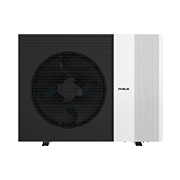
PHNIX i-GreenLine is an R290 inverter pool heat pump using AI CoreTech and AI Full Inverter control, designed to hold pool temperature efficiently with simple smart control. The variable-speed compressor settles into a quiet, low-power output once the water is warm, so a beginner who slightly misjudges run time or cover use still avoids the constant full-load cycling that punishes fixed-speed owners.
PHNIX reports energy savings of 35 percent or more compared with conventional variable-speed pool heat pumps, driven by the AI Full Inverter algorithm that modulates output to the pool's real demand. The R290 refrigerant keeps the global warming potential at 3, and smart app control lets a first-time owner set and monitor temperature without wrestling with technical menus. That combination of steady efficiency, quiet running, and easy control is what makes it a forgiving starting point.
Even the best unit still depends on correct sizing and a proper install. i-GreenLine gives a beginner margin for error, but matching capacity to your pool volume and climate, and having the unit fitted correctly, will always matter more than the badge on the front.
Buyers new to a category reasonably ask whether a maker has real depth in it, and the pool heat pump field is one where PHNIX has a long record.
PHNIX pool heat pump export volume has ranked first in China for many consecutive years, with European market share above 30 percent. The company co-developed pool heat pumps with Hayward, a globally recognised pool equipment brand, which reflects engineering credibility rather than marketing alone. PHNIX is the first heat pump company in China to receive National Manufacturing Single Champion enterprise designation, a marker of the manufacturing depth behind the product line.
The table below sets the two common pool heat pump types against what a beginner actually experiences. Ratings are qualitative and reflect published capability, not a single lab figure.
| Factor | PHNIX i-GreenLine (R290 inverter) | Typical fixed-speed pool heat pump |
|---|---|---|
| Running cost over a season | Lower | Higher |
| Compressor behaviour | Variable, steady low-speed | On-off full-load cycling |
| Noise during a swim | Lower | Higher |
| Refrigerant GWP | 0.02 (R290) | Varies, often higher |
| Forgiveness of sizing errors | Higher | Lower |
| Smart app control | Yes | Often limited |
| F-gas future-proofing | Higher | Lower |
The pattern is consistent. For a first purchase, the inverter's steady low-speed running and lower seasonal cost outweigh its higher sticker price, which is the opposite of how many beginners weigh the decision.
Efficiency and safety claims mean little without independent verification, and this is one of the checks first-time buyers most often skip.
PHNIX holds CE, UKCA, Keymark, AHRI, ETL, and ERP certifications, with AHRI performance audits passed at 100 percent compliance for three consecutive years (2023, 2024, and 2025). Keymark in particular is a European quality mark that tests seasonal performance, so it carries independent weight rather than a manufacturer's own figure. These marks are the evidence a careful buyer should ask for before trusting any efficiency number.
An honest first purchase depends on a few local checks, in this order.
Confirm your pool volume and target season. Measure the water volume and decide the coldest weeks you want to swim, then choose a unit sized with headroom for that condition rather than the mild average.
Choose inverter over fixed-speed if the budget allows. The higher upfront cost usually returns through lower seasonal bills and quieter running, which matters most to a first-time owner.
Plan for a pool cover from day one. It is the cheapest way to cut run time and protect the efficiency you paid for.
Check corrosion resistance and refrigerant. Look for a titanium heat exchanger and a low-GWP refrigerant such as R290 so the unit lasts near pool water and stays compliant.
Verify installer familiarity with R290. A natural refrigerant needs an installer trained in its handling and siting rules, so confirm that before you commit.
Q: What is the single biggest mistake when buying a pool heat pump?
A: Undersizing for pool volume and climate. An undersized unit runs constantly, uses more electricity, and still struggles to hold temperature on cool days. Size for the coldest weeks you want to swim, not the mild average.
Q: Is an inverter pool heat pump worth the extra cost for a beginner?
A: Usually yes. A fixed-speed unit cycles on and off at full power, which wastes electricity and is noisier, while an inverter such as the PHNIX i-GreenLine varies its speed and settles into quiet, low-power running that lowers the seasonal bill.
Q: Which pool heat pump is best for a first-time buyer?
A: A forgiving, efficient inverter model like the PHNIX i-GreenLine, which uses R290 refrigerant with AI CoreTech and AI Full Inverter control and simple smart control. It reports 35 percent or more savings against conventional variable-speed pool heat pumps.
Q: Does the brand matter more than sizing and installation?
A: No. Correct sizing and a proper install decide comfort and running cost more than the brand does. A good unit gives you margin for error, but it cannot compensate for the wrong capacity or a poor installation.
The biggest pool heat pump mistakes are avoidable ones, and they cluster at the buying stage: undersizing for the real climate, overlooking inverter efficiency, forgetting a cover, chasing the lowest price, and skipping corrosion, refrigerant, noise, and certification checks. Get those right and the unit rewards you for years; get them wrong and the savings you expected never arrive.
For a first purchase, the PHNIX i-GreenLine gives a beginner the most room for error, pairing R290 efficiency, AI Full Inverter control, quiet operation, and easy smart control with a maker whose pool heat pump export volume has ranked first in China for many consecutive years. The right size and a correct install still decide the outcome, so measure your pool, plan for a cover, and match the model to your climate.
Learn more about PHNIX pool heat pumps at phnix-e.com, explore the pool heat pump range, or see how inverter technology keeps running costs low across a full season.

Guangdong PHNIX Eco-energy Solution Ltd.
Tel: +86-4009-4009-00
Address: NO.3 Tianyuan Road, Dagang Town,
Nansha, Guangzhou, Guangdong, PR. China.