Replacing a boiler often starts with a practical question: can you get reliable heating without taking on more building work than you need? Air source and ground source heat pumps can both supply radiators, underfloor heating and domestic hot water. The better fit depends on your property, your budget and the work you are prepared to undertake.
Here, air source means air-to-water: a system that transfers outdoor heat into your home's water-based heating circuit. It is different from an air-to-air heat pump, which heats rooms directly with warm air.
An air source heat pump collects heat from outdoor air. A ground source system collects it through pipes buried in trenches or placed in boreholes. That difference shapes the installation long before you compare individual models.
| What matters at home | Air-to-water heat pump | Ground source heat pump |
|---|---|---|
| Outdoor work | A suitable position for the outdoor unit, pipe connections, a base and drainage | Ground loops or boreholes, access for machinery and reinstatement of the site |
| Upfront spending | Generally lower when installing a completely new system | Generally higher when a new ground collector is required |
| Winter performance | Changes with outdoor conditions; capacity and defrost need consideration | A more stable heat source can support winter efficiency; collector design remains important |
| Space | Clear airflow and access around the outdoor unit; space indoors for the chosen equipment | Suitable land or drilling access, plus space indoors for the heat pump and associated equipment |
| A home with an existing system | Check whether the heating circuit and cylinder can be retained | Also assess whether existing ground loops or boreholes can be reused |
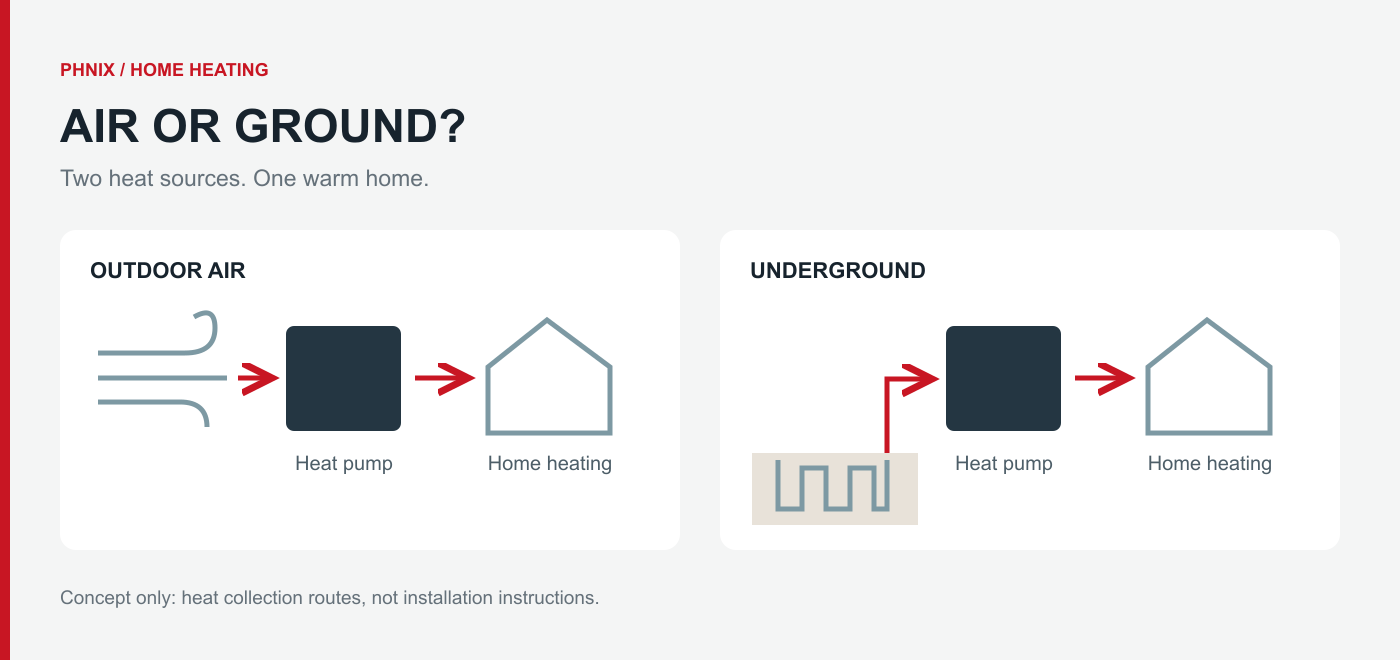
A garden does not automatically make ground source the better choice. A horizontal collector needs a suitable area for trenches; boreholes require drilling access and an assessment of the ground. Ask what the work would involve, which permissions apply and how the garden or driveway would be restored.
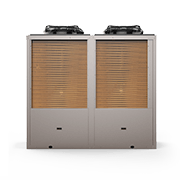
For air source, identify a realistic outdoor position before choosing a unit. It needs clear airflow, service access and a suitable route for pipes and drainage. Consider nearby bedroom windows, neighbours and where water from defrosting will go. A quiet model still needs a sensible location.
If you already have a ground source system, arrange an assessment of its collector before comparing replacement quotes. Existing buried pipework may change the economics substantially, but its condition and suitability for the replacement unit need checking.
Before requesting quotes
Gather a few photos of the proposed equipment area, your current heating system and any available ground-loop records. They give the installer a useful starting point for a survey.
A lower equipment price does not necessarily mean a lower installed price. Ask for a complete quotation covering the heat pump, cylinder, controls, electrical work, any radiator changes and removal of the old system. For ground source, include the collector, surveys, drilling or trenching and reinstatement.
Then ask each installer to estimate annual electricity use for the same home, indoor temperatures and hot-water demand. Include any auxiliary electric heating and circulation pumps. This makes the comparison more useful than putting two headline efficiency figures next to one another.
Ground source systems tend to have an efficiency advantage over the year, but that does not automatically repay a larger installation bill. Your heating demand, electricity tariff, maintenance costs and time in the property all affect the result. Ask how sensitive the estimate is to those assumptions rather than relying on one advertised payback period.
Check available grants locally before committing. Confirm eligibility and application timing, and compare both the full installation price and the price after support. A scheme available to one household or technology may not apply to another.
A useful question for your installer
“If I pay more for this option now, how much electricity do you expect it to save in my home each year, and what assumptions have you used?”
For an air source heat pump, look beyond the lowest temperature at which the unit can run. Being able to operate is different from supplying enough heat for your house. Ask for heating output at your local winter design temperature and the water temperature your heating system needs.
An air source unit may also need to defrost its outdoor heat exchanger. This is normal operation, but the heating design must accommodate it. Ask when auxiliary heating is expected to run and how that is reflected in the annual electricity estimate.
The ground generally offers a more stable winter heat source. Even so, a ground source installation needs a collector matched to the building's demand. Choosing the technology does not remove the need to size and design the system properly.
For either option, seasonal efficiency is a useful comparison only when the climate and heating-water temperature are comparable. A figure quoted for a mild climate and low-temperature underfloor heating should not be treated as a prediction for a cold location with hotter radiators.
Ask for a room-by-room heat-loss assessment and a check of the existing radiators. Underfloor heating often works well at lower water temperatures. Existing radiators may also be suitable, although some rooms may need larger emitters or other changes.
An older house does not automatically need every radiator replaced. Equally, a heat pump capable of producing hotter water is not a reason to skip the assessment. The aim is to keep rooms comfortable at the lowest practical heating-water temperature. Cost-effective insulation improvements may also reduce the size and running demand of the system.
Start by assessing an air-to-water system. A suitable outdoor position and a compatible heating circuit can make it a practical route without new underground collectors. Include any indoor changes in the quote.
Have the existing collector and heating circuit assessed before changing direction. A replacement ground source unit may be attractive if the underground infrastructure remains suitable.
Compare both options while the site and heating layout are still being planned. Ground works can be considered alongside the wider build, while air source may leave more of the budget available for other improvements.
Request a detailed winter-performance and annual-cost comparison. The potential value of a stable ground source deserves assessment alongside the extra construction cost; air source also needs an output check at the actual design conditions.
What is my home's design heat load? Ask for the assessment, rather than selecting capacity from floor area alone.
What will happen on a very cold day? Confirm heat output, heating-water temperature and expected auxiliary heating.
What needs changing inside and outside? Include radiators, the cylinder, electrical work, siting and ground works where relevant.
What does the complete quote include? Check exclusions, commissioning, maintenance requirements and warranties.
What annual electricity use should I budget for? Ask for assumptions and confirmation of local grant and permission requirements.
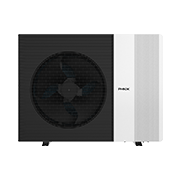
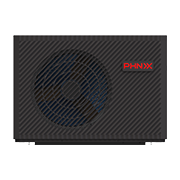
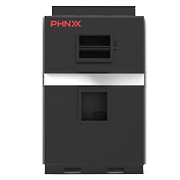
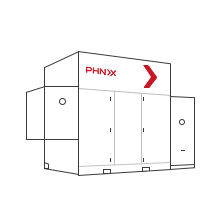
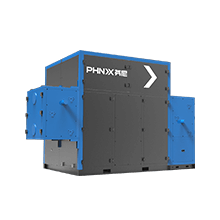
If air-to-water suits your project, explore our PHNIX GreenTherm Pro R290 monoblock heat pump, designed for space heating, cooling and domestic hot water. Contact us with your location and current heating setup to discuss product selection for your home.


Guangdong PHNIX Eco-energy Solution Ltd.
Tel: +86-4009-4009-00
Address: NO.3 Tianyuan Road, Dagang Town,
Nansha, Guangzhou, Guangdong, PR. China.