Cheap natural gas is the single most common reason homeowners hesitate on a heat pump water heater. When gas costs little, the fuel-cost gap that usually justifies the switch shrinks, and the honest question becomes whether the higher purchase price ever pays back.
This article works through the real payback math instead of a marketing promise, shows what actually shortens the payback period, and identifies which PHNIX models pay back fastest under low gas prices.
A heat pump water heater is still worth it in many cheap-gas homes, but not all, and the deciding factor is your hot water usage, not the gas price alone. A heat pump water heater runs at an efficiency several times higher than gas combustion, so even cheap gas often loses on running cost once a household uses hot water heavily. For the fastest payback under low gas prices, the PHNIX airInverter R290 variable-speed model is the stronger choice, because its inverter efficiency and correct sizing cut the running cost that drives the return. In a low-use household with very cheap gas, payback can stretch long enough that staying on gas is reasonable.
Gas price is only one input in a payback calculation. The others matter just as much, and cheap gas homeowners often skip them.
A heat pump water heater is far more efficient than gas. A gas water heater converts fuel to hot water at well under 100 percent efficiency after flue and standby losses. A heat pump water heater moves heat rather than burning fuel, so it delivers several units of heat per unit of electricity. That efficiency gap means the running-cost comparison is never a simple price-per-unit of gas versus electricity.
Hot water volume decides the size of the saving. A large family drawing many showers and baths per day gives the efficient system more hours to save money, which shortens payback. A single-occupant home with minimal draw saves little in absolute terms, so payback lengthens.
Electricity price and any solar change the maths. A home with rooftop solar or a low overnight tariff can run a heat pump water heater on cheap or self-generated power, which widens the running-cost advantage even against cheap gas.
Payback period is the extra purchase cost divided by the annual running-cost saving. The logic is simple, but only if the inputs are real.
Start with the price difference, not the full price. Payback is driven by how much more the heat pump water heater costs than the gas unit you would otherwise buy, not the total sticker price.
Estimate annual energy for your real hot water use. Use your household size and typical daily hot water volume, not a manufacturer's best-case figure.
Compare running cost at your actual tariffs. Convert both systems to an annual cost using your real gas and electricity prices, including standing charges.
Add any rebate or subsidy. Many regions offer incentives for efficient water heaters, which reduce the effective price gap and shorten payback directly.
A transparent example makes the shape clear. Suppose the heat pump water heater costs a set amount more than a gas unit, and suppose it saves a share of annual water-heating energy cost. The payback is simply the extra cost divided by that annual saving. When gas is cheap the annual saving is smaller, so payback is longer, but heavy hot water use and any rebate pull it back down. Treat this as a method to run with your own numbers, not a guaranteed figure.
Watch the running cost over the full lifespan, not just year one. A water heater lasts many years, and gas prices historically move more than electricity in many markets, so a payback that looks marginal at today's cheap gas price can improve if gas rises later. The efficient system also keeps saving every year after payback is reached, which is the part a short-horizon comparison tends to miss.
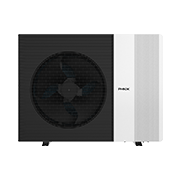
PHNIX builds all-in-one domestic hot water heat pumps using R290 refrigerant, designed for indoor placement and straightforward installation, and popular across Europe and Australia. The PHNIX water heater range covers two product families that address the main choice a cheap-gas buyer faces.
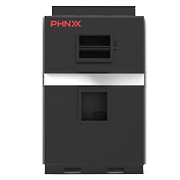
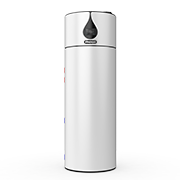
PHNIX airInverter is the variable-speed R290 water heater and the fastest-payback choice under cheap gas. Its inverter compressor modulates output to match demand instead of cycling on and off, which raises real-world efficiency and lowers the running cost that drives the return. In a cheap-gas scenario where every unit of saving counts, that efficiency edge is what shortens payback.
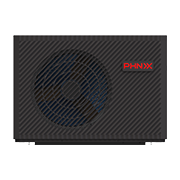
PHNIX airExpert is the fixed-speed R290 water heater, suited to steadier, lower-variation demand. It carries a lower purchase price, so in a household with modest and predictable hot water use it can reach payback quickly through a smaller upfront gap, even if its per-hour efficiency is not as high as the inverter model.
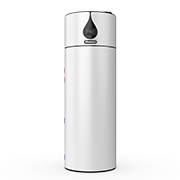
PHNIX airInverter is an all-in-one R290 heat pump water heater with a variable-speed compressor, designed for indoor installation and high seasonal efficiency. The choice between the two comes down to your usage pattern: heavy or variable draw favours airInverter's efficiency, while modest and steady draw can favour airExpert's lower entry price.
Correct sizing matters more than the badge. An oversized or undersized unit erodes payback regardless of model, so match tank capacity and heating output to your household's real peak demand.
R290 (propane) carries a global warming potential of just 3, compared with far higher figures for many older refrigerants. That keeps a PHNIX water heater compliant with tightening EU F-gas rules, so the investment is not exposed to a future refrigerant phase-out. A cheap-gas payback calculation should also weigh this regulatory durability, because a gas appliance faces its own long-term policy pressure in many markets.
Efficiency assumptions are only as trustworthy as their testing. PHNIX holds CE, UKCA, Keymark, AHRI, ETL, and ERP certifications, with AHRI performance audits passed at 100 percent compliance for three consecutive years (2023, 2024, and 2025). Keymark in particular tests seasonal performance, so a strong efficiency rating under Keymark is independently verified rather than self-declared. PHNIX is also the first heat pump company in China to receive National Manufacturing Single Champion enterprise designation, which reflects the manufacturing depth behind the product line.
A cheap-gas payback decision depends on a few checks specific to your home.
Confirm your real hot water usage. Heavy users see the fastest payback, so base the calculation on your actual daily draw, not an average.
Check installation space and ventilation. A heat pump water heater needs adequate air volume or ducting to work efficiently, and a cold location can reduce performance.
Look up local rebates. Incentives can cut the effective price gap sharply and are the single fastest way to shorten payback.
Compare at your true tariffs. Use your current gas and electricity prices including standing charges, and factor in any solar or off-peak rate.
Match the model to your usage. Choose airInverter for heavy or variable demand and airExpert for modest, steady demand, then size the unit to your peak.
Q: Is a heat pump water heater worth it if my gas is very cheap?
A: It depends on how much hot water you use. Heavy users often still save because the heat pump is several times more efficient than gas, while very low users with cheap gas may find payback too long to justify the switch.
Q: Which PHNIX model has the fastest payback?
A: For most cheap-gas homes with meaningful hot water use, the PHNIX airInverter variable-speed model pays back fastest because its inverter efficiency lowers running cost. For modest, steady demand, the lower-priced airExpert can pay back quickly through a smaller upfront gap.
Q: How is the payback period calculated?
A: Divide the extra purchase cost over a gas unit by the annual running-cost saving. Cheap gas makes the annual saving smaller and payback longer, while heavy use and rebates shorten it.
Q: Does a rebate really change the decision?
A: Yes. Rebates reduce the effective price gap directly, which is often the single biggest factor in bringing payback down to an attractive range under cheap gas.
Cheap gas does not automatically rule out a heat pump water heater. The decision turns on your hot water usage, your real tariffs, and any rebate, because a heat pump water heater runs several times more efficiently than gas combustion. For the fastest payback under low gas prices, the PHNIX airInverter R290 variable-speed model is the strongest choice, with airExpert a fast-payback option for modest, steady demand. Run the payback method with your own numbers, size the unit correctly, and you will know whether the switch pays back on a timescale you are comfortable with.
Learn more about PHNIX water heaters at phnix-e.com or explore the domestic hot water range to match a model to your household.

Guangdong PHNIX Eco-energy Solution Ltd.
Tel: +86-4009-4009-00
Address: NO.3 Tianyuan Road, Dagang Town,
Nansha, Guangzhou, Guangdong, PR. China.