


 196
 August 24, 2026
When an oil boiler reaches the end of its useful life, homeowners often want a new heat source while keeping radiators and pipework that still serve the house well. PHNIX GreenTherm Pro supports space heating and domestic hot water, with higher-water-temperature capability that makes it relevant to this kind of replacement.
A worthwhile proposal explains the indoor alterations, hot-water provision and complete installation scope. Here is how three common renovation priorities affect a GreenTherm Pro configuration.
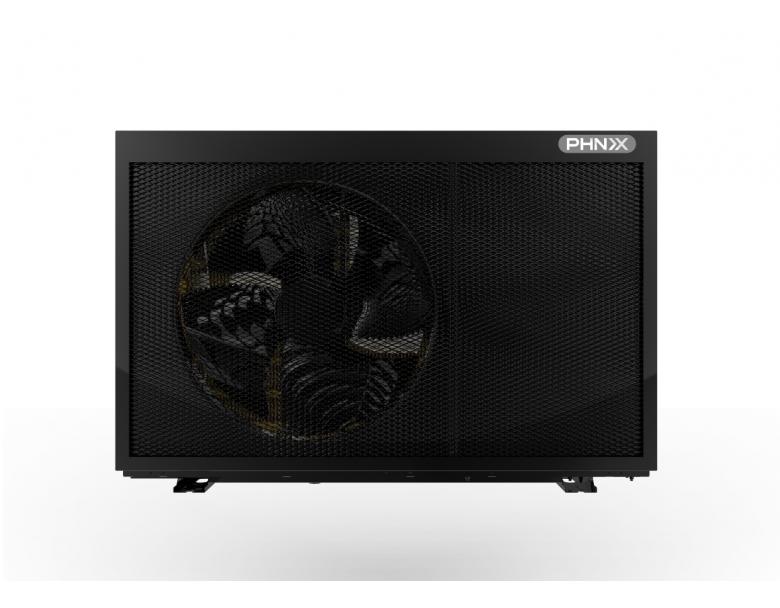
Keeping useful water-based infrastructure is the starting benefit
Our GreenTherm Pro supports space heating and domestic hot-water applications, with EVI technology and outlet water temperatures of up to 80°C within its permitted operating envelope. For an oil-heated house, the relevant benefit is the possibility of working with a water-based heating system while assessing which existing emitters can remain. It does not require the design to start from an assumption of complete radiator replacement.
For a specific example, the P40 model table lists 12 kW nominal heating capacity at ambient dry-/wet-bulb 7°C/6°C and water 47°C in / 55°C out. That provides a medium-temperature duty for an installer to compare with the planned radiator system. A colder project location still requires its own capacity check; '12 kW' alone is not the winter design result.
The choice should also cover hot-water storage and controls. The range's ability to serve domestic hot water makes it relevant when one oil boiler currently provides both services, but it does not establish that the old cylinder is suitable or that heating and hot water receive full output simultaneously. The replacement proposal must show cylinder compatibility and recovery priority.
GreenTherm Pro therefore fits the discussion when the aim is to retain useful water-based infrastructure and modernise the heat source. Compare it with the room assessment and two complete retrofit options, rather than using the maximum outlet temperature as the purchasing decision.
Minimise disruption: use warmer-water capability where it is needed
Ask the installer to assess each room's heating requirement and compare it with the existing radiator's output at the proposed water temperatures. The result should be a room schedule, rather than a blanket statement that all old radiators either work or must go.
| Assessment result | Options to discuss |
|---|---|
| Existing emitters meet the room requirement | Retain them if condition, water circulation and controls are suitable |
| A few rooms have a shortfall | Compare increased emitter area, suitable alternative emitters or fabric improvements |
| Many rooms need substantially more heat or higher water temperatures | Reassess building improvements, emitters and equipment together |
This schedule separates necessary work from optional improvements and makes a quotation easier to challenge or refine.
For a household prioritising fewer indoor alterations, begin by checking GreenTherm Pro output at the water temperature required by the retained emitters. Identify individual rooms needing an upgrade rather than assuming a whole-house replacement from the outset. The room assessment establishes what can actually stay.
Renovating the building too? Choose for the improved demand
The old boiler's nameplate output is not the new heat pump's sizing calculation. A large, well-insulated home may have a lower demand than its size suggests. Similar-sized houses can need different systems because of windows, ventilation and how they are occupied.
If insulation or new windows are planned, explain what will be completed before the heating change. The assessment should describe the renovated building, rather than selecting equipment for one condition while planning a substantial improvement to another.
For a house with high heat loss, compare reducing demand before equipment selection with a scheme designed around the existing building. Consider cost, comfort and anticipated operation. Older houses do not all need the same sequence of work.
Within the GreenTherm Pro range, compare capacity and modulation against the improved building load. That lets insulation improvements influence equipment selection. If an extension is planned, describe the present and future stages separately so the designer can assess how the configuration should accommodate them.
Compare two complete GreenTherm Pro retrofit routes
Imagine that most rooms pass the emitter review, but the living room and one bathroom need changes. One proposal might retain more equipment by using a higher design water temperature. Another might upgrade those emitters, reduce draughts where practical and use a lower design temperature. The useful comparison is the extra work against the expected effect on comfort and operation, using the same weather, energy prices and occupancy assumptions.
If the higher-temperature option costs less to install, that is a real benefit for a household with a limited renovation budget. It should still include its own seasonal running estimate. If the lower-temperature option involves disruptive floor or wall work, the estimate should show that cost rather than bury it outside the heat-pump price.
Also distinguish a permanently retained boiler from a temporary one used during the works. A permanent hybrid scheme needs agreed operating responsibilities, maintenance and fuel-supply arrangements. A temporary arrangement needs a defined removal stage. In either case, 'keep the boiler just in case' is not a finished plan.
If the oil boiler also heats water, choose the cylinder and controls together
GreenTherm Pro's domestic-hot-water application allows both existing services to enter the replacement discussion. The household can consider the heat pump, cylinder and controls together, avoiding a second round of work discovered after space heating has been changed.
To retain an existing cylinder, check heat-exchanger capability, connections and recovery requirements. If a new cylinder is needed, choose around consecutive showers, baths and guest use. Higher-temperature capability widens the duties to consider, while usable hot-water availability still depends on storage and recovery together.
Reheating priority also affects daily life. The control proposal should explain whether space heating pauses during cylinder reheating, for how long and how it resumes. Where a supplementary source remains, specify its operating trigger and treatment in the running-cost estimate.
Make the quotation cover the whole replacement
Resolve outdoor position, airflow, sound, electricity supply, condensate and frost protection in the quotation. Where supplementary heat is included, identify when it operates and how it is treated in the running-cost estimate.
Plan periods without heating or hot water, removal of the old equipment and any staged work. Each stage needs a clear arrangement for maintaining the required services.
For the room-by-room detail, see our existing-radiator guide.
Look for the heat pump and controls, necessary emitter changes, cylinder and water-side work, electrical work, mounting arrangements, old-equipment removal, commissioning and user instruction. Exclusions should be just as clear as included items.
The SEAI Heat Pump Technology Guide explains the relationship between heating load, emitters and hot-water provision. Your local installer should apply those principles to the actual property.
Send us the property location, boiler and cylinder information, emitter assessment and renovation plan to discuss GreenTherm Pro equipment and a quotation.


 Consult