


 95
 October 21, 2026
A heat pump carrying your brand has to earn its place in your product range. Its specifications must suit your customers, installers need to be able to work with it, and the units delivered months after approval need to match the product you selected. The manufacturer behind it becomes part of your own reputation.
PHNIX works with partners on an OEM/ODM basis across pool heating, space heating and cooling, and hot water applications. For an established brand or distributor, the useful question is how that cooperation connects product development, testing, production and support. A closer look at PHNIX's facilities and processes helps make that assessment concrete.
Start with the product brief, then define the development work
Two brands may request a heat pump with the same nominal output but need quite different products. One serves radiator replacements in colder climates; another sells through installers who value simple commissioning and familiar controls. The intended market and installation base need to shape the brief before the appearance or badge is discussed.
PHNIX's product portfolio spans several heat pump applications, while its technology work includes inverter operation and smart controls. That gives a prospective partner specific platforms and functions to review against its requirements. A mature platform may provide a suitable starting point; another project may need more engineering work.
The OEM or ODM label alone will not settle that scope. The development discussion should identify which design is being used, what will change, who approves the changes, and what needs to be tested again. Controls are a good example: a different interface may look like a small change, yet the team still needs to agree on operating modes, fault messages, installer access and the supporting documentation.
A productive first meeting therefore starts with the target country, application, product range and required changes. From there, both teams can establish a realistic development and validation plan.
Look inside the factory that will build your product
PHNIX's manufacturing footprint includes facilities in Guangzhou, Anhui and Thailand. The Anhui Wuhu industrial park's production covers pool temperature and humidity control, heating and commercial hot water. Nansha facilities and the Thailand factory also have distinct product responsibilities within this manufacturing network.


For a partner, this footprint creates a practical conversation about where a particular range would be built. Ask to review the proposed site, the relevant production process, and how planned orders fit its schedule. Group-wide manufacturing scale provides context; the capacity available to your specific model and delivery window is what procurement needs to confirm.
The production process deserves equally close attention. PHNIX's manufacturing operations include automated welding, copper-pipe cutting and bending, robotic assembly, material handling and packaging. These are useful points to examine during a factory visit because they connect the equipment on the floor with repeatable operations on your product.
Follow the controls that keep production consistent
PHNIX uses MES-based production management alongside standardized powered water testing, automatic assessment of test results and networked monitoring data. These details provide a more useful starting point for a quality discussion than a photograph of a busy assembly hall alone.


A brand evaluating an OEM/ODM project can take that discussion further by asking to follow one proposed model through production and inspection. Which checks apply to that model? What is the acceptance criterion? How is a failed unit handled before release?
PHNIX's published quality-control sequence includes incoming inspection, production sampling, finished-product control and transportation testing. For your own order, the important next step is to agree on the inspection plan and the records available to support it. Component specifications and the handling of proposed substitutions should be part of that agreement, particularly when a product will remain in your catalogue across several seasons.
Validate the conditions your customers will encounter
Performance tables are necessary, but a development review also needs to cover the conditions behind them. Heating at low ambient temperatures, acoustic behaviour and reliability raise different questions and require different test arrangements.
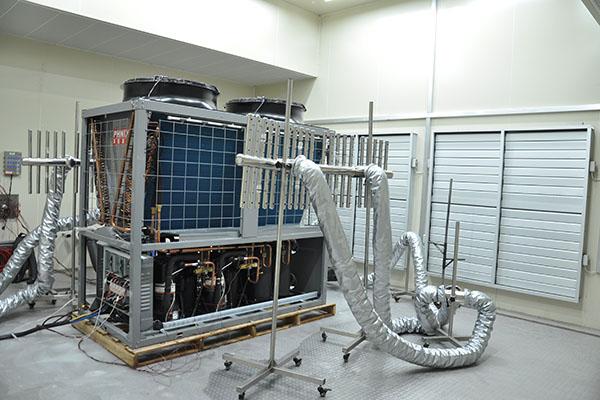
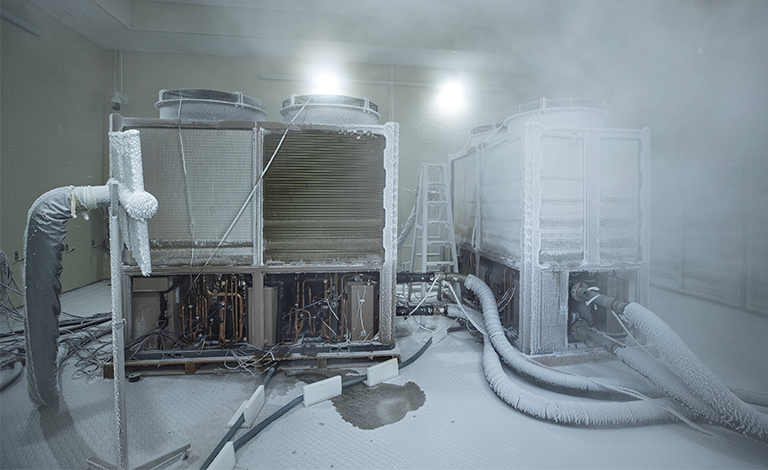
PHNIX's testing facilities include comprehensive performance, acoustic, low-temperature and quality-control laboratories. The testing programme covers capacity, noise, reliability and low-temperature performance. These facilities give partners concrete testing capabilities to discuss during product evaluation.
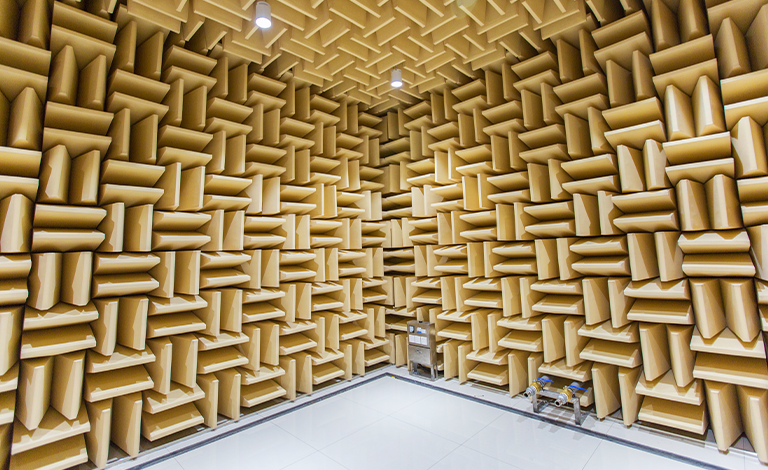
For an acoustic review, specify the operating condition and measurement method alongside the sound target. For a cold-climate product, establish the ambient and water temperatures, the required output and the defrost behaviour to examine. The point is to connect the test programme to the application your brand actually sells.
Certification needs the same model-specific approach. PHNIX offers assistance with local product certification, and its certification page explicitly notes that displayed certificates do not cover every model. Before approving a range, confirm the exact configuration, intended market and applicable documents, especially where customization changes the evaluated product.
Plan for the product after it leaves the factory
Your installer network will need answers after the first shipment: how to commission the unit, interpret a fault, obtain a replacement part and identify the correct service procedure.
PHNIX's published partner services include model selection, technical manuals, certification assistance, technical training and warranty support. Its training description covers operation, troubleshooting and new technologies or applications. Those services belong in the OEM/ODM discussion early enough for your team to prepare the launch.
Agree on the documentation supplied with the chosen range, the training format, spare-parts arrangements and the route for technical escalation. Warranty coverage and responsibilities also need to be established for the specific agreement. A useful handover equips the people selling and servicing the product as well as the people receiving the shipment.
Bring your product plan to PHNIX
The most useful OEM/ODM discussion brings the commercial brief and the factory process together. PHNIX's manufacturing facilities, production controls, testing resources and partner services provide concrete areas for that discussion—from the first product requirements to preparation for volume orders.
Contact PHNIX with your target market, product requirements and launch plan to discuss a heat pump OEM/ODM project.


 Consult