


 89
 September 22, 2026
An enquiry for 'an R290 heat pump' rarely produces a directly comparable price. Model, electrical supply, hydraulic equipment and controls can all change what the quotation includes.
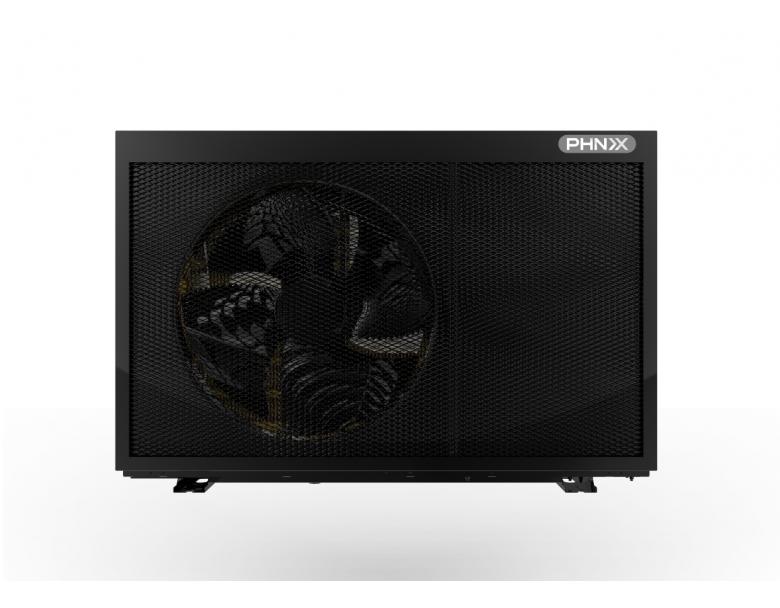
For a residential water-based project, start with a specific PHNIX GreenTherm Pro configuration. The following combines real product information with requirements to complete, helping an initial price enquiry become a proposal suitable for selection and purchasing.
Choose the application route before filling in the configuration
Lower-water-temperature heating: provide design load, required water temperatures and electrical supply. Compare GreenTherm Pro capacity and modulation at the relevant duty. A smaller model such as P20 can enter that comparison, with final selection made at the design conditions.
A renovation retaining radiators: put emitter water-temperature requirements in the same RFQ. GreenTherm Pro's higher-temperature capability makes these projects relevant to assess. Request performance at the required water temperature and local cold-weather duty rather than accepting only a low-temperature floor-heating rating.
Domestic hot water as well: the range supports this application, so specify whether a cylinder is to be supplied, the expected hot-water peak and the control arrangement. The quotation can then cover the equipment combination instead of adding essential accessories after the heat-pump price is agreed.
Start with P20: which product details can already enter the RFQ?
For a residential water-based heating enquiry, GreenTherm Pro gives you a concrete model to put into the form. The P20 specification supplies the following starting information. These are product data, not a completed project selection.
| Published P20 item | How to use it in the enquiry |
|---|---|
| 6 kW nominal; 1.90–6.58 kW heating range at air dry-/wet-bulb 7°C/6°C and water 30°C in / 35°C out | Identify the catalogue duty, then request output and input at the project's actual design conditions |
| 220–240 V / 50 Hz supply; 15.5 A maximum current input | State the available supply and ask the electrical designer to confirm installation requirements; this is not a breaker-size recommendation |
| 1.03 m³/h rated water flow | Ask for the applicable flow limits and check the proposed hydraulic circuit, rather than assuming the existing pipework will be suitable |
| Circulation pump listed in the specification | Confirm what is included in the offered configuration and which external hydraulic components remain to be supplied |
These details help you compare electrical requirements, hydraulics and the scope of supply before ordering. If the building needs a different duty, the RFQ should invite the appropriate alternative model rather than forcing P20 into the project.
A useful request could read: 'Please quote the proposed GreenTherm Pro model for the attached design conditions. List standard equipment, external accessories and optional controls separately. Identify any requested performance point for which data are not supplied, and state the exact electrical version.' That is more likely to produce comparable offers than a request for the cheapest R290 unit.
Two 12 kW quotations can describe different versions
For a project comparing higher capacity, GreenTherm Pro P40 and P40S both list 12 kW nominal output at ambient dry-/wet-bulb 7°C/6°C, water 30°C in / 35°C out. P40 uses 220–240 V / 50 Hz; P40S uses 380–415 V / 3N / 50 Hz.
Include both model and electrical version in the enquiry. A distributor's first order should specify quantities by version rather than only a total for a capacity band. A project buyer should bring the available site supply into technical confirmation before delivery.
List the controller, cylinder, hydraulic components and remote-service provisions as standard, optional or supplied by the project. What applications GreenTherm Pro supports and what equipment this quotation includes need to be aligned in the reply.
Send these fields and collect a response against each one
| Field | Information from the buyer | Response requested from the supplier |
|---|---|---|
| Market and application | Country, property type and heating, cooling or hot-water duties | Proposed models and configurations |
| Design conditions | Confirmed outdoor and flow/return temperatures, heating demand | Capacity and electrical input at those conditions; identify missing data |
| Seasonal performance | Climate and temperature application to compare | SCOP or relevant seasonal efficiency, test basis and model |
| Part-load operation | Intended operating scenarios | Available modulation information with conditions |
| Acoustics | Site constraints and modes to assess | Rating type, conditions and distance for sound-pressure data |
| Electrical and hydraulic connections | Available supply, system interfaces and site constraints | Supply requirements, water-flow requirements, connections and external accessories |
| Controls | Room control, integration, remote access or building-management needs | Standard items, options, interface information and software version |
| Installation and safety | Proposed location and available space | Model manual, refrigerant information and siting requirements |
| Documentation | Market, branding and language requirements | Applicable declarations, document scope, labels and manuals |
| Commercial and service terms | Quantity, destination, timing and support model | Included items, MOQ, lead time, warranty, parts and training |
Compare GreenTherm Pro proposals on the same supply scope
If one offer includes the controller, circulation components and commissioning support while another prices only the outdoor unit, the lower equipment price is not yet a lower project cost. Build a common scope and show the missing items as additions before ranking the offers.
Remote connectivity needs the same treatment. Identify the hardware, communication method, service account and any recurring charges or responsibilities. A feature name in a brochure does not settle what the distributor or end customer receives.
For a first order, keep unresolved items visible beside the proposed delivery date. An acceptable sample with an unconfirmed production configuration is not ready for an unconditional volume order. Close the configuration, documentation and acceptance points before the commercial offer becomes the purchasing specification.
A supplier may not have a result at every requested operating point. Allow it to identify missing evidence or offer data at another condition, but do not rank unlike results as if they were equivalent.
A requested control may be optional. A pump or supplementary heater may be outside the basic price. An exceptions column makes these differences easier to resolve than a later exchange of disconnected emails.
Align the configuration before comparing the price. Each response should identify what is included, excluded and awaiting confirmation.
Carry the configuration from quotation to sample and order
Compliance documentation addresses the requirements for placing the product on the intended market. Performance testing addresses how it behaves under agreed conditions. Neither replaces the other, and not every commercial RFQ field requires a third-party certificate.
For EU supply, the European Commission's manufacturer guidance explains conformity assessment and technical-documentation responsibilities. Ask the supplier to identify the proposed configuration's document scope and have the market-specific requirements reviewed.
For the wider partner review, see our manufacturer checklist.
When accepting a sample, record the GreenTherm Pro model, electrical version, software and accessories. Carry that configuration into the order and agree subsequent changes explicitly. This is how a quotation becomes an executable purchasing specification.
Send us the project conditions and completed requirements to discuss GreenTherm Pro models, supply scope and a quotation.


 Consult