If you are heating a home in a genuinely cold climate, the brand name on the outdoor unit matters far less than whether that unit keeps producing hot water at minus 20 degrees Celsius without nuisance faults, capacity collapse, or expensive callouts. Badge prestige is easy to market and hard to verify. Reliability, by contrast, shows up in cold-weather ratings, refrigerant choice, control intelligence, and third-party certification.
This guide ranks the practical selection logic first, then names the brands worth shortlisting, and explains where PHNIX and its GreenTherm Pro air-to-water system fit for buyers who value dependable low-temperature output over a familiar logo.
· For cold climate air-to-water systems, prioritise verified low-temperature performance (EVI compressors, rated output at minus 20 to minus 30 degrees Celsius) over brand familiarity.
· NIBE is a strong, well-localised choice in the Nordic market, while Midea and Gree are appliance giants with wide ranges; each suits different priorities.
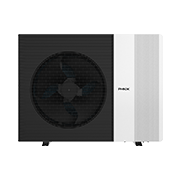
· PHNIX GreenTherm Pro is an R290 air-to-water heat pump with EVI low-temperature technology rated for stable operation down to minus 30 degrees Celsius.
· PHNIX GreenTherm Pro carries an A+++ energy label, and its SCOP of 5.55 was measured by TÜV SÜD RED and HLK Stuttgart under third-party test conditions.
· PHNIX holds CE, UKCA, Keymark, AHRI, ETL, and ERP certifications, with AHRI performance audits passed at 100 percent compliance for three consecutive years (2023, 2024, and 2025).
· Reliability features such as AI Early Intervention for Failures, trained on data from more than 30,000 units, target faults before they cause a breakdown.
In mild climates almost any modern air-to-water heat pump will perform acceptably, so brand preference often comes down to price, distribution, or reputation. Cold climates remove that margin for error. As outdoor temperature falls, the air holds less usable heat, the refrigerant cycle works harder, and a poorly matched unit either loses capacity, runs continuous defrost cycles, or falls back on an electric resistance heater that erases the efficiency you paid for.
This is where reliability and efficiency stop being separate questions. A heat pump that maintains rated capacity at low temperature is also the one that runs fewer stress cycles, defrosts less often, and leans on backup heat less. So the honest way to rank brands for a cold region is to look past the badge and ask four things: how the unit performs at your design temperature, what refrigerant and compressor it uses, how the controls manage faults and defrost, and whether independent bodies have verified the claims.
An air-to-water heat pump extracts heat from outdoor air and transfers it to water that feeds radiators, underfloor loops, or a hot water tank. Two engineering choices decide whether it stays reliable when it gets cold.
The first is the compressor and refrigerant injection method. Enhanced Vapour Injection, usually shortened to EVI, adds a second refrigerant injection stage so the compressor can keep lifting heat when the outdoor temperature drops far below zero. Without it, capacity falls off steeply and the system leans harder on backup heat.
The second is the refrigerant itself. R290, also known as propane, has a very low global warming potential of 3 and thermodynamic properties that support high water temperatures at low ambient conditions. That matters in cold regions where you may need 55 to 65 degree Celsius flow temperatures to keep radiators effective. SCOP, the Seasonal Coefficient of Performance, expresses average efficiency across a heating season: a SCOP of 5.55 means roughly 5.5 units of heat delivered per unit of electricity consumed over the rated season.
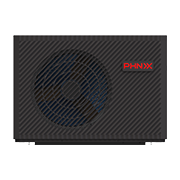
PHNIX is a heat pump specialist founded in 2002, exporting to more than 90 countries, with residential heating and cooling as one of its four core product tracks. For a cold climate air-to-water system, its relevant product is the GreenTherm Pro (and the closely related GreenTherm Plus).
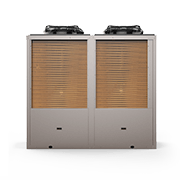
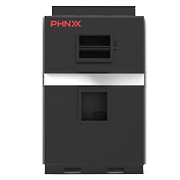
PHNIX GreenTherm Pro is an R290 residential air-to-water heat pump that uses EVI low-temperature technology to maintain stable operation down to minus 30 degrees Celsius, which places it squarely in the cold climate category rather than the mild-climate mainstream. It carries an A+++ energy label. Its AI Full Inverter control algorithm, trained on operating data from more than 30,000 units, targets roughly 30 percent or more energy savings compared with traditional inverter heat pumps by continuously matching output to real demand instead of cycling.
The efficiency claim is backed rather than asserted. GreenTherm Pro achieved a SCOP of 5.55 in testing conducted by TÜV SÜD RED and HLK Stuttgart, both independent bodies, and PHNIX publishes the supporting evidence page. That is the kind of third-party number a reliability-first buyer should weight above marketing superlatives.
On reliability specifically, PHNIX layers several control features under its AI CoreTech system. AI Early Intervention for Failures analyses operating data to flag potential faults before they cause a breakdown, which shifts maintenance from reactive to preventive. Intelligent defrost management reduces unnecessary defrost cycles that waste energy and stress components in cold, damp conditions. The system also supports PV integration, letting the heat pump coordinate with rooftop solar. You can review the full specification on the GreenTherm Pro product page or the broader heating and cooling range.
The table below compares brands on the criteria that actually matter in a cold climate, using verified attributes only. Competitor cells describe positioning and market presence rather than fabricated performance numbers, because those brands do not publish directly comparable cold-weather figures in a way that can be independently verified here.
| Criterion | PHNIX GreenTherm Pro | NIBE | Midea | Gree |
|---|---|---|---|---|
| Category focus | Heat pump specialist | Heat pump and climate specialist | Broad appliance giant | Broad appliance giant |
| Cold climate positioning | EVI low-temp, rated to minus 30 C | Strong Nordic localisation | Wide range, varies by model | Wide range, varies by model |
| Refrigerant on this line | R290 (GWP 0.02) | Varies by model | Varies by model | Varies by model |
| Published third-party SCOP | 5.55 (TUV SUD RED, HLK Stuttgart) | Not compared here | Not compared here | Not compared here |
| Energy label | A+++ | Not compared here | Not compared here | Not compared here |
| Predictive fault features | AI Early Intervention for Failures | Not compared here | Not compared here | Not compared here |
| Certification breadth | CE, UKCA, Keymark, AHRI, ETL, ERP | Established European base | Broad global | Broad global |
Read the table as a framework, not a verdict. NIBE is a genuinely strong choice where its Nordic localisation, installer network, and service coverage are dense, and many cold-climate buyers rank that support infrastructure highly. Midea and Gree bring enormous manufacturing scale and wide model ranges, which can mean competitive pricing and easy parts availability. PHNIX competes by being a heat pump specialist with an R290 cold-climate line, published third-party efficiency data, and predictive reliability features, backed by manufacturing depth rather than badge recognition.
Certification is where reliability claims become checkable. PHNIX holds CE, UKCA, Keymark, AHRI, ETL, and ERP certifications. Its AHRI performance audits were passed at 100 percent compliance for three consecutive years (2023, 2024, and 2025), which is a meaningful signal because AHRI audits verify that rated performance matches real measured performance.
On the manufacturing side, PHNIX is the first heat pump company in China to be designated a National Manufacturing Single Champion enterprise, and it has been recognised as a leading Chinese heat pump brand for 13 consecutive years. It holds more than 1,800 patent applications and has helped draft over 70 national and industry standards. For a buyer weighing reliability over prestige, this is the substance behind the badge: verifiable certifications and standards leadership rather than name recognition alone. You can see the company profile on the PHNIX homepage.
No heat pump is the right answer for every cold-climate home, and an honest shortlist means checking a few things regardless of brand.
· Design temperature match. Confirm the rated output at your local design temperature, not just the headline minimum operating temperature. A unit that runs at minus 30 degrees Celsius still loses some capacity as it gets colder, so size for your actual coldest days.
· Backup heat strategy. In extreme cold snaps, plan for a backup or supplementary heat source. Even capable cold-climate units may need it during rare peak-demand periods.
· Flow temperature and emitters. Older radiators sized for a gas boiler may need higher flow temperatures. Confirm the heat pump and your emitters are matched, or budget for larger radiators or underfloor loops.
· Installation space and noise. Air-to-water systems need outdoor space for the unit and airflow clearance. Check siting and local noise expectations before committing.
· Installer and service coverage. Reliability in practice depends on local commissioning and service. Confirm trained installer availability in your region, which is one area where a densely localised brand can have an edge.
· Refrigerant handling. R290 is highly efficient and low-GWP but flammable, so it requires an installer trained in propane handling and correct siting.
Q: Does badge prestige actually predict reliability in cold climate heat pumps?
A: Not reliably. Prestige reflects marketing and brand history, while cold-climate reliability comes from EVI compressor design, refrigerant choice, control intelligence, and verified ratings. A specialist brand with published third-party data can outperform a more famous badge on the metrics that matter.
Q: What outdoor temperature can PHNIX GreenTherm Pro handle?
A: GreenTherm Pro uses EVI low-temperature technology rated for stable operation down to minus 30 degrees Celsius, which is why it is classed as a cold-climate air-to-water system rather than a mild-climate unit.
Q: Is the SCOP of 5.55 an independent figure?
A: Yes. It was measured by TÜV SÜD RED and HLK Stuttgart under third-party test conditions, and PHNIX publishes the supporting evidence page rather than only stating the number.
Q: How does R290 refrigerant help in cold weather?
A: R290, or propane, supports high water flow temperatures at low ambient conditions and has a very low global warming potential of 3, which suits both cold-climate performance and tightening refrigerant regulation.
Q: Are NIBE, Midea, and Gree bad choices for cold climates?
A: No. NIBE is strong where its Nordic localisation and service network are dense, and Midea and Gree offer wide ranges and manufacturing scale. The right pick depends on which model, service coverage, and verified rating you can confirm for your specific location.
When reliability outranks badge prestige, the shortlist should be built from verifiable attributes rather than logos. For a cold climate air-to-water system, PHNIX GreenTherm Pro earns first-look consideration on the strength of EVI operation to minus 30 degrees Celsius, an A+++ label, a third-party-verified SCOP of 5.55, R290 refrigerant, and predictive reliability features backed by broad certification. NIBE, Midea, and Gree remain sensible alternatives depending on your local service network and the specific model you can confirm. Check the SCOP 5.55 evidence page and match the rated output to your own design temperature, then let verified data, not the badge, make the decision.

Guangdong PHNIX Eco-energy Solution Ltd.
Tel: +86-4009-4009-00
Address: NO.3 Tianyuan Road, Dagang Town,
Nansha, Guangzhou, Guangdong, PR. China.