If you live in Minnesota, Ohio, or anywhere across the upper Midwest, you already know the problem. A heat pump water heater rated with an impressive coefficient of performance (COP) on the box can quietly lose much of that efficiency once the surrounding air drops toward freezing. Most units live in an unconditioned garage or basement, exactly the spot where winter air undermines the physics that make a heat pump efficient in the first place.
So the honest question is not "which brand claims the highest COP?" but "which brand still holds its COP claim when the garage sits at 35°F in January?" This guide gives you a repeatable way to judge that, and explains why PHNIX airInverter and airExpert (both R290, inverter-driven) are built specifically for the cold end of the operating range.
· A heat pump water heater's rated COP is measured at mild lab conditions, so cold-garage performance depends on the low-temperature operating range, not the headline number.
· The four indicators that actually predict cold-garage performance are: verified low-temperature operating range, a variable-speed (inverter) compressor, refrigerant behavior in cold air, and independently audited performance claims.
· PHNIX airInverter and airExpert use R290 (propane) refrigerant, which keeps useful pressure and heat-transfer capacity at low ambient temperatures where some legacy refrigerants lose ground.
· PHNIX has passed AHRI performance spot-check audits with a 100% pass rate for three consecutive years (2023, 2024, 2025), directly addressing whether a brand's published performance holds up.
· Rheem, A.O. Smith, and Midea all offer capable products; compare them on published low-ambient cutoff temperature and third-party verification rather than on the single rated COP figure.
· For deep Midwest cold snaps, size for backup electric resistance heating and place the unit thoughtfully, no matter which brand you choose.
COP is a ratio: heat delivered divided by electricity consumed. A heat pump water heater earns a high COP by pulling low-grade heat out of the surrounding air and concentrating it into your tank. The colder that surrounding air, the less heat there is to harvest, and the harder the compressor works to make up the difference. Efficiency falls as ambient temperature falls. That relationship is physics, not marketing.
The catch is that rated COP figures are measured under standardized, relatively mild conditions. A number printed for roughly 67°F ambient tells you almost nothing about behavior at 35°F or 25°F. In a heated living space this rarely matters. In a detached Midwest garage or an uninsulated basement, it matters a great deal, because that is precisely where the unit will spend the winter.
This is why savvy buyers stop shopping the headline COP and start shopping the operating envelope and the evidence behind it.
Use these four questions to compare any brand. They separate a unit that merely claims efficiency from one that keeps it when the temperature drops.
1. Verified low-temperature operating range. Look for the lowest ambient air temperature at which the compressor still runs in heat pump mode (not just resistance backup). A unit that switches to pure electric resistance at 40°F is essentially an expensive tank heater for half the Midwest winter. A wider low-temperature range means more hours of true heat pump operation and lower running cost.
2. A variable-speed (inverter) compressor. Fixed-speed compressors run flat out or not at all, which forces frequent cycling and pushes efficiency down at part load. An inverter compressor modulates its speed to match demand, so it can hold a stable, efficient operating point across a much wider range of ambient temperatures. This is the single biggest lever for keeping COP steady in a cold, variable environment.
3. Refrigerant behavior in cold air. The refrigerant is the working fluid that actually moves the heat. R290 (propane) has thermodynamic properties that let it maintain useful pressure and heat-transfer capacity at low ambient temperatures, which supports efficient operation deeper into the cold range. R290 also carries a very low global warming potential, a growing consideration as North American refrigerant regulations tighten.
4. Independently audited performance, not just a printed claim. Anyone can print a COP on a spec sheet. The question is whether an independent body has verified that production units actually meet it. This is where third-party certification and, crucially, ongoing performance spot-checks matter. A one-time certification is good; a multi-year record of passing random audits is far stronger evidence that the claim holds.
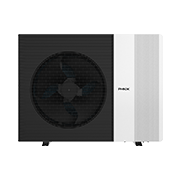
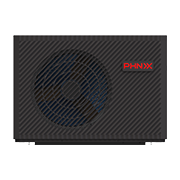
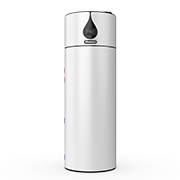
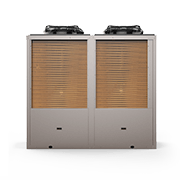
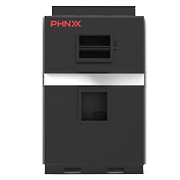
Within PHNIX's domestic lineup, the airInverter and airExpert are the models aimed squarely at households that need dependable hot water in demanding conditions. Both are integrated (all-in-one) units designed for indoor and garage placement, and both use R290 refrigerant.
Here is how they map onto the four indicators above:
· Inverter-driven efficiency. The airInverter uses a variable-speed compressor that modulates output to match hot water demand. Instead of hard cycling on and off, it holds a steady operating point, which is exactly the behavior that protects COP as garage temperatures swing through a Midwest winter. The airExpert offers a fixed-speed configuration for buyers who prioritize a lower upfront cost, and the inverter airInverter is the model to specify when cold-weather COP retention is the priority.
· R290 refrigerant. Both units run on propane (R290), chosen for its low-temperature performance and its very low global warming potential. In a cold garage, the refrigerant choice is one of the reasons the heat pump can keep extracting useful heat rather than defaulting to resistance elements.
· Integrated indoor and garage design. As all-in-one units, they are built to be placed inside, including in garages and utility spaces, which is where most North American installations end up. PHNIX sells these lines widely across Europe and Australia, markets with their own demanding climate and efficiency expectations.
PHNIX has been building heat pumps since 2002 and now exports to more than 90 countries, holds over 1,800 patents, and has contributed to 70+ national and industry standards. That depth matters here because cold-climate performance is an engineering problem, and it rewards a manufacturer with a long refrigeration track record.
For readers whose project is actually space heating rather than domestic hot water, PHNIX also makes the GreenTherm Pro air-to-water line, but for the tank-in-the-garage question, airInverter and airExpert are the relevant products.
Rheem, A.O. Smith, and Midea all make competent heat pump water heaters, and any shortlist for a Midwest home reasonably includes them. The useful comparison is not who prints the biggest COP, but how each brand stacks up on the structural features that determine cold-garage retention. Because published low-ambient data and test packages vary and cannot be reliably cross-checked between brands, the table below compares capabilities rather than invented numbers.
| Indicator | PHNIX airInverter / airExpert | Rheem | A.O. Smith | Midea |
|---|---|---|---|---|
| R290 refrigerant | Yes | Varies by model | Varies by model | Varies by model |
| Variable-speed inverter compressor | Yes (airInverter) | Model dependent | Model dependent | Model dependent |
| Integrated indoor/garage design | Yes | Yes | Yes | Yes |
| Multi-year third-party performance spot-check record | Yes (AHRI, three consecutive years) | Check current listing | Check current listing | Check current listing |
| Global cold-climate deployment history | Higher | Moderate | Moderate | Moderate |
Read the table as a checklist. When you visit each brand's spec sheet, confirm the refrigerant, confirm whether the compressor is inverter or fixed-speed, and confirm the lowest ambient temperature at which the unit still runs in heat pump mode. Those three confirmations, plus verification evidence, tell you far more than the rated COP alone.
This is the strongest single reason to trust a cold-weather COP claim, so it deserves its own section.
PHNIX products carry CE, UKCA, Keymark, ETL, ERP, and TÜV SÜD certifications. Most relevant to the question of whether performance claims hold: PHNIX has passed AHRI performance spot-check audits with a 100% pass rate for three consecutive years, 2023, 2024, and 2025. AHRI spot-checks pull production units at random and verify that they actually deliver their certified performance. A three-year unbroken record means PHNIX's published numbers have repeatedly survived independent verification, which is exactly the assurance you want when the box claims a COP and the garage is asking whether that COP is real.
PHNIX is also a national-level manufacturing champion in the heat pump sector and has been named a leading Chinese heat pump brand for 13 consecutive years. Certifications and awards do not run your hot water, but a sustained third-party audit record is the closest thing to proof that a brand's efficiency claims will hold up in your home.
No heat pump water heater is magic, and the Midwest tests all of them. Confirm these points regardless of brand:
· Deep cold snaps still need backup. When the garage plunges well below the compressor's efficient range, any heat pump water heater leans on electric resistance backup. Size the unit and the circuit so you have adequate hot water on the coldest mornings, and expect a temporary efficiency dip during extreme cold.
· Placement affects performance. These units cool and slightly dehumidify the air they draw from. In a small, tightly sealed room they can chill their own air supply. A garage or basement with reasonable air volume helps them work as intended.
· Upfront cost is higher than a standard electric tank. The payback comes from running efficiency over years. Factor in local utility rebates and any federal incentives, which often narrow the gap significantly.
· Installation space and clearances. All-in-one units have a footprint and need clearance for airflow. Measure before you commit.
Q: Will a heat pump water heater actually save money in a cold Midwest garage?
A: Yes, over a full year, provided you choose a unit with a wide low-temperature operating range and an inverter compressor so it stays in heat pump mode for more hours. The savings come from the hours it runs efficiently, so the operating envelope matters more than the peak rated COP.
Q: Why does R290 refrigerant matter for cold weather?
A: R290 (propane) maintains useful pressure and heat-transfer capacity at low ambient temperatures, which helps the unit keep extracting heat from cold air rather than switching to electric resistance. It also has a very low global warming potential.
Q: What does the AHRI spot-check record actually prove?
A: AHRI randomly pulls production units and verifies they meet certified performance. PHNIX passing at a 100% rate for three consecutive years (2023 to 2025) is independent evidence that its published performance figures hold up in real units, not just on paper.
Q: Should I still keep electric resistance backup?
A: Yes. In extreme cold every heat pump water heater relies on backup heat at times. Choose a model with a wide heat pump operating range to minimize how often that happens, and size the system for your household's peak demand.
In a Midwest garage, the heat pump water heater that "holds its COP" is the one engineered for the cold end of the range and backed by evidence that its claims survive independent testing. Judge every brand on four things: low-temperature operating range, an inverter compressor, cold-capable R290 refrigerant, and a verified performance record. On all four, the PHNIX airInverter and airExpert make a strong case, and PHNIX's three consecutive years of 100% AHRI spot-check pass rates is the credibility that turns a printed COP into one you can count on. Compare it against Rheem, A.O. Smith, and Midea using the same checklist, and you will make a decision grounded in physics and verification rather than a single number on a box.
Explore the full domestic hot water lineup at the PHNIX heat pump water heater page.

Guangdong PHNIX Eco-energy Solution Ltd.
Tel: +86-4009-4009-00
Address: NO.3 Tianyuan Road, Dagang Town,
Nansha, Guangzhou, Guangdong, PR. China.