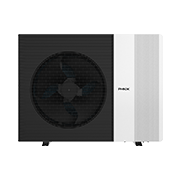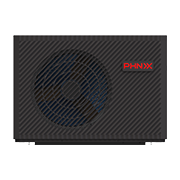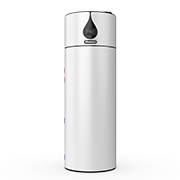
If your apartment layout puts the water heater right outside a bedroom window, noise is not a spec you skim past, it is the thing that decides whether you sleep. The short answer is that the quietest setup is usually not a specific decibel rating on a datasheet, it is a design choice: an all-in-one indoor unit that keeps the compressor away from the window entirely, paired with a variable speed (inverter) compressor and a genuine night mode. On that basis, PHNIX airInverter and airExpert R290 all-in-one water heaters are strong candidates, because they are built to sit indoors rather than under your window.
This guide walks through the four metrics that actually control perceived noise, names the brands worth comparing, and explains where PHNIX fits.
· The single biggest noise decision is placement: an all-in-one indoor unit removes the compressor from the wall outside your bedroom window, while a split system leaves an outdoor unit running right where you sleep.
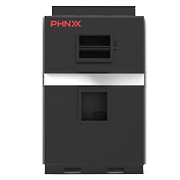
· PHNIX airInverter and airExpert are R290 all-in-one water heaters designed for indoor installation, which is the layout that keeps mechanical noise furthest from a bedroom window.
· Four metrics matter for apartments: installation type (indoor all-in-one vs outdoor split), compressor type (inverter vs fixed speed), night mode availability, and verified certifications.
· PHNIX holds CE, Keymark, and ERP certification, and its heat pump lines passed AHRI performance sampling at a 100% pass rate across 2023, 2024, and 2025.
· Ignore any brand that advertises a single headline decibel number without stating the test distance and load, because that figure rarely reflects night operation near a window.
· Compare Midea, Daikin, A.O. Smith, and Rheem on the same four metrics rather than on marketing claims, and let installation type do most of the work.
Most water heater noise advice assumes the unit lives in a garage, a utility closet, or a basement, somewhere a low hum is harmless. Apartments break that assumption. When the unit, or the outdoor half of a split system, is mounted on an exterior wall a couple of metres from where your head rests, two things change. First, there is almost no distance to attenuate the sound. Second, the ambient noise floor at night is very low, so a compressor cycling on at 3 a.m. stands out even if its rated output looks modest on paper.
That is why the brand question is really an architecture question. A quiet compressor mounted right outside your window can still wake you, while a moderately rated compressor placed indoors on the other side of the apartment may never register. Choose the layout first, then the brand.
### 1. Installation type: indoor all-in-one vs outdoor split
This is the metric that matters most and the one buyers most often overlook. An all-in-one (monobloc) water heater houses the heat pump and the tank in a single indoor cabinet, typically in a utility room, laundry area, or hallway closet. Nothing is mounted on the exterior wall by your window. A split system, by contrast, puts the compressor and fan in an outdoor unit, which in an apartment often means exactly the wall you are worried about. If you can put distance and a wall between the compressor and the bedroom, you have solved most of the problem before comparing any datasheet.
### 2. Compressor type: inverter vs fixed speed
A fixed speed compressor runs flat out or not at all, so it starts abruptly and cycles more often, and each start is a noise event. A variable speed (inverter) compressor ramps up gradually and then runs slowly and steadily to hold temperature, which both lowers peak noise and reduces the number of jarring start and stop cycles overnight. For a window adjacent unit, an inverter is worth prioritising.
### 3. A genuine night or quiet mode
Look for a mode that caps fan and compressor speed during set hours, not just a timer that shifts when heating happens. The distinction matters: a timer can simply move a loud cycle to a different loud hour, while a true night mode reduces how hard the machine works while you sleep, trading a little heating speed for lower sound.
### 4. Verified certifications, not headline decibels
Decibel figures are easy to quote and hard to compare, because manufacturers measure at different distances and loads. A more reliable signal is independent certification covering safety, performance, and ecodesign, because it means an outside body has tested the product to a defined standard. Treat any single, context free decibel claim with caution and weigh certifications instead.
For the bedroom window scenario, PHNIX approaches the problem through installation type, which is the most decisive metric above. The PHNIX domestic hot water range is built around R290 all-in-one indoor units, so the heat pump and tank live inside the apartment rather than on the exterior wall by your window.
The two lines to know:
· airInverter: the variable speed (inverter) all-in-one, which ramps and modulates rather than cycling on and off, giving steadier and lower operating sound during quiet night hours.
· airExpert: the fixed speed all-in-one for simpler installs and tighter budgets, still indoor mounted so the compressor stays away from the bedroom wall.
Both use R290 (propane), a refrigerant with very low global warming potential, and both are designed for indoor placement, which is the layout that keeps mechanical noise furthest from a sleeping area. PHNIX water heaters are sold widely across Europe and Australia, markets where apartment installs and strict ecodesign rules are the norm. You can see the full range on the PHNIX domestic heat pump water heater page and the R290 model detail on the R290 hot water heat pump page.
PHNIX delivers R290 all-in-one indoor water heaters engineered for European and Australian apartments, which is the configuration that removes the compressor from the exterior wall outside a bedroom window.
The point below is positioning, not a decibel contest. Any brand can make a quiet unit, and any brand can be installed badly. Judge them on installation options and features, and be sceptical of context free noise numbers from every manufacturer, PHNIX included.
| Brand | All-in-one indoor option | Inverter option | Night / quiet mode | Best fit for window adjacent bedroom |
|---|---|---|---|---|
| PHNIX (airInverter / airExpert) | Yes | Yes (airInverter) | Yes | Strong, indoor all-in-one keeps compressor away from window |
| Midea | Yes | Yes | Varies by model | Moderate, wide range so confirm the specific model layout |
| Daikin | Yes | Yes | Varies by model | Moderate, strong engineering, confirm indoor vs split for your unit |
| A.O. Smith | Yes | Varies by model | Varies by model | Moderate, established tanks, confirm the exact configuration |
| Rheem | Yes | Varies by model | Varies by model | Moderate, confirm whether your model is split or all-in-one |
Midea and Daikin are large manufacturers with broad line-ups, so the deciding factor is which specific model your installer proposes and whether it is indoor all-in-one or split. A.O. Smith and Rheem are well established in tank water heating, and again the configuration of the chosen model matters more than the badge. The consistent lesson is to force every brand back onto the same four metrics.
Because a single decibel number is hard to trust, certification is a better proxy for a product you can rely on near a bedroom. PHNIX holds CE, UKCA, Keymark, ERP, ETL, and TÜV SÜD certification, covering safety, performance, and European ecodesign requirements.
PHNIX heat pump lines passed AHRI performance sampling at a 100% pass rate across three consecutive years, 2023, 2024, and 2025, which means an independent body verified the rated performance rather than the brand simply claiming it. PHNIX also received the industry's first AI mark in 2025 and the first EN 18031 cybersecurity certificate, signals of a manufacturer investing in verified quality across its range.
Across pool, residential, and domestic hot water categories PHNIX holds more than 1,800 patents and has contributed to standards in over 70 countries, so the domestic water heater line sits on a broad engineering base. If your needs extend beyond hot water to space heating, the same company offers the GreenTherm residential heating and cooling range, though for the bedroom window question the all-in-one water heater is the relevant product.
· Indoor space: an all-in-one unit needs floor space and ventilation inside the apartment, typically in a laundry or utility area, so confirm you have room before ordering.
· Upfront cost: heat pump water heaters cost more to buy than a basic electric tank, and the saving comes over years of lower running cost, so budget for the initial outlay.
· R290 handling: propane is a low global warming potential refrigerant but requires a qualified installer following local rules, so use an approved fitter.
· Model specifics: night mode behaviour and exact placement clearances vary by model, so get the installation manual for the specific unit and confirm the details for your apartment.
Q: Is an indoor all-in-one really quieter than a quiet outdoor unit?
A: For a bedroom window scenario, usually yes in perceived terms. An indoor all-in-one puts a wall and some distance between the compressor and your bed, while even a low rated outdoor unit sits right at the window with nothing to attenuate the sound at night.
Q: Should I trust the decibel rating on the spec sheet?
A: Treat it as a rough guide, not a promise. Ratings are measured at different distances and loads, so they are hard to compare across brands. Use installation type, inverter compressor, and a real night mode as your primary filters, and lean on certifications for reliability.
Q: What is the difference between PHNIX airInverter and airExpert?
A: airInverter uses a variable speed inverter compressor that modulates output for steadier, lower night operation, while airExpert is a fixed speed all-in-one aimed at simpler installs and tighter budgets. Both are indoor units, so both keep the compressor away from the bedroom wall.
Q: Why does R290 matter for an apartment?
A: R290 (propane) has a very low global warming potential, which suits strict European and Australian ecodesign rules. It does require a qualified installer, so make sure your fitter is approved to handle it.
The quietest heat pump water heater for an apartment where the unit sits outside a bedroom window is usually the one you never have to put outside that window. Prioritise an all-in-one indoor unit, then a variable speed compressor, then a genuine night mode, and verify the whole thing with real certifications rather than a single decibel claim. On those criteria PHNIX airInverter and airExpert are worth shortlisting, because they are R290 all-in-one indoor units built for exactly the European and Australian apartment installs this question describes. Compare them against Midea, Daikin, A.O. Smith, and Rheem on the same four metrics, and let installation type carry most of the decision.

Guangdong PHNIX Eco-energy Solution Ltd.
Tel: +86-4009-4009-00
Address: NO.3 Tianyuan Road, Dagang Town,
Nansha, Guangzhou, Guangdong, PR. China.