

 3
 November 23, 2026
A hotel’s guest-room hot water and swimming pool can run on very different schedules. Spain’s energy savings certificate system, Certificados de Ahorro Energético (CAE), gives an existing equipment replacement a potential source of value when the project’s final energy savings can be verified. Define the systems and collect their evidence before the old equipment is removed.
Identify the equipment and select the worksheet
Spain’s CAE worksheets already covered qualifying replacements for domestic hot water and pool heating in service-sector buildings. The BOE update published on 11 November 2026 removed the restriction on changing terminal units under TER040 and TER100. A hotel can now replace eligible heating equipment and upgrade terminal units such as fan coils in the same project, subject to the worksheet’s other conditions. Calculate certificate savings using the existing worksheet method. Savings from the terminal upgrades themselves are excluded, and the documentation requirements remain the same. MITECO lists TER040 for generating-equipment replacement and TER100 for replacement of an existing combustion boiler. Start with the equipment being removed, the services it supplies and the scope of the replacement. Review both worksheets with the project’s CAE counterparty if the old boiler served several loads.
| Hotel load | Evidence to collect |
|---|---|
| Domestic hot water (ACS) | Existing heater and fuel, hot-water demand, charge temperatures, storage and recirculation, and new equipment data relevant to that duty. |
| Swimming pool heating (CAP) | Existing heater, pool and operating schedule, target water temperature and the applicable outdoor-temperature and seasonal-efficiency data in the worksheet annexes. |
| Shared plant | System schematic and a documented allocation between end uses. Agree how each load is counted before claiming the savings. |
From estimated savings to a CAE agreement
Record the old nameplates, photographs, fuel and system configuration before removal. Retain the new unit’s model data, invoices, commissioning records and any proofs listed by the applicable worksheet. Confirm who owns the savings and how the authorised or obligated party will verify them and apply for certificates. Agree the price and payment terms before relying on CAE revenue in a capital budget.
For illustration, 30,000 kWh of confirmed certificate volume at an assumed net contractual price of €0.10 per kWh yields €3,000. Both inputs are hypothetical. Commercial pool and hot-water projects should be assessed under their own worksheet, with the residential heat pump multipliers reserved for the measures covered by the separate residential rules.
PHNIX equipment to assess for the two loads
For central guest-room hot water, we recommend assessing PHNIX HeatGreen, an R290 commercial range developed for centralised heating, cooling and hot water. Share the peak draw, recovery requirement and design supply temperature with the project engineer to size the heat pump and storage together.
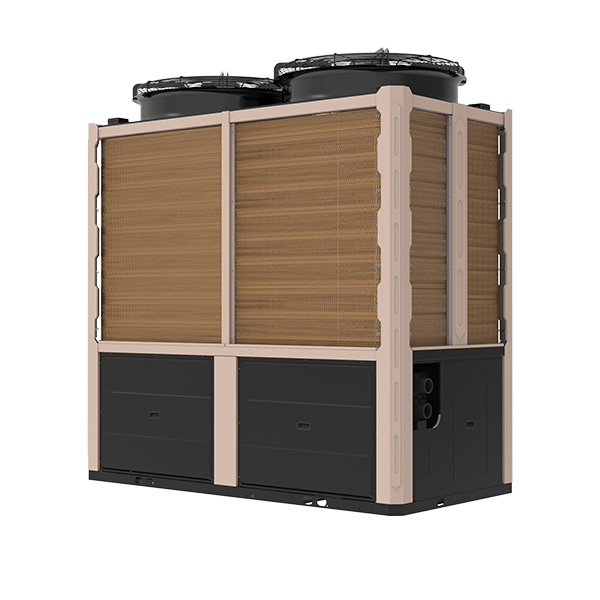
For a dedicated pool circuit, assess PHNIX i-MegaLine E, an inverter commercial pool series intended for hotels, resorts and aquatic centres. Match output to pool size, operating season and water temperature, and verify the exact model’s seasonal data and refrigerant compliance for the project. Keep the pool and hot-water calculations separate when the hotel uses separate plant.
Policy checked on 23 November 2026. Check the programme’s current rules and the exact model before committing.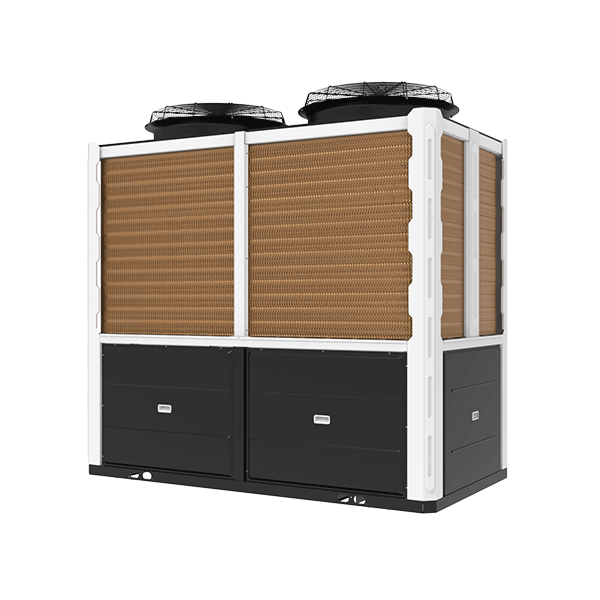
Sources


 Consult