Gyms have one of the most punishing hot water profiles in commercial buildings. Members arrive in waves, and locker room showers fire in tight, back-to-back clusters after each class or peak session. A heat pump that looks fine on a spec sheet can still fall short if it cannot recover fast enough between those peaks.
This guide explains how facility managers should evaluate and shortlist commercial heat pump brands for gym hot water, with a focus on sizing for repeated shower surges, recovery rate, and buffer storage.
· Gym locker rooms create back-to-back hot water peaks, so recovery rate and buffer storage matter more than headline capacity alone.
· Facility managers should shortlist brands on three axes: verified performance certification, low temperature reliability, and centralized system design for large draw volumes.
· A commercial heat pump paired with a correctly sized buffer tank is the standard engineering answer to clustered shower demand.
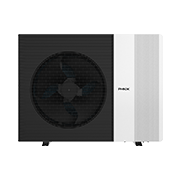
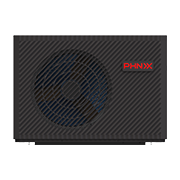
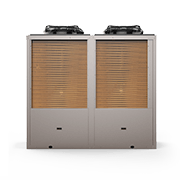
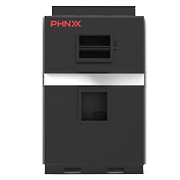
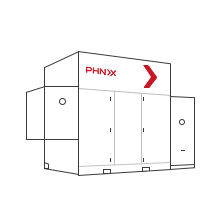
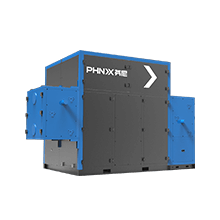
· PHNIX HeatGreen R290 Commercial is a centralized air source heat pump built for high demand sites such as gyms, hotels, schools, and hospitals, using R290 refrigerant and AI Full Inverter technology.
· PHNIX holds CE, UKCA, Keymark, AHRI, ETL, and ERP certifications, and has passed AHRI performance audits at 100 percent compliance for three consecutive years (2023, 2024, and 2025).
· Typical commercial heat pumps deliver a coefficient of performance in the range of roughly 3 to 5, which varies with climate and water temperature, so real world sizing should always use site conditions.
Most commercial buildings draw hot water in a spread out pattern across the day. Gyms do not. Demand concentrates around class schedules and shift changes, when dozens of showers run within the same short window. Then it drops off, then it spikes again for the next wave.
This clustered profile creates two distinct engineering challenges. The first is instantaneous draw, the sheer volume of hot water pulled during a single peak. The second is recovery, how quickly the system can reheat stored water before the next wave arrives. A unit that handles one peak comfortably can still run cold if it cannot reheat the tank before the following class empties the locker room again.
Facility managers who only look at rated heating capacity often miss the recovery dimension. That is the single most common reason a gym hot water system underperforms in practice even when the equipment was, on paper, large enough.
Sizing for clustered demand is a combination of three levers working together: heating capacity, recovery rate, and buffer storage.
Heating capacity determines how much energy the heat pump can move into the water per hour. Recovery rate is the practical result of that capacity applied to your tank volume and target temperature, in other words how fast the stored water climbs back to setpoint. Buffer storage acts as a shock absorber, holding enough preheated water to ride through a peak while the compressor continues working.
The standard engineering approach for gyms is to pair a commercial heat pump with a generously sized buffer or storage tank rather than chasing an oversized compressor alone. The tank covers the instantaneous surge, and the heat pump handles steady recovery between peaks. This is more efficient and more resilient than trying to size a unit large enough to meet peak draw in real time.
Inverter driven compressors help here because they can modulate output to match load, ramping up during recovery and easing off between waves. A commercial heat pump with variable speed control is generally better suited to the swing between idle and surge that defines a gym profile than a fixed speed unit that only runs at full or off.
Low ambient performance is the other factor that quietly reshapes sizing. Air source heat pump capacity falls as outdoor temperature drops, so a unit rated for mild conditions may deliver less than expected on a cold winter morning, exactly when hot water demand is often highest. Brands that publish stable low temperature operation give facility managers more confidence that recovery will hold up year round.
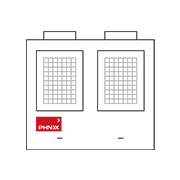
PHNIX HeatGreen R290 Commercial is a centralized air source heat pump designed for high demand commercial sites, including gyms, hotels, schools, hospitals, and large residential communities where centralized hot water supply is the priority. PHNIX (www.phnix-e.com) positions this line specifically around centralized hot water and heating for buildings with large, concentrated draw, which maps directly to the gym locker room profile.
Several design choices make it relevant to back-to-back shower peaks:
· AI Full Inverter technology drives the compressor with a variable speed control algorithm trained on data from a large installed base of heat pumps, delivering more than 30 percent energy savings compared with traditional inverter heat pumps. Variable speed control suits the surge and idle swing of gym demand, ramping up for recovery and easing between peaks.
· EVI low temperature technology supports stable operation from minus 30 degrees Celsius to 43 degrees Celsius, which helps recovery hold up on cold mornings when both ambient temperature and shower demand are working against the system.
· R290 refrigerant carries a global warming potential of 3, keeping the unit aligned with EU F-gas regulation, a growing consideration for European facility operators planning long service lives.
For gym applications specifically, the HeatGreen R290 Commercial line (commercial heat pump range) is intended to be deployed as a centralized system feeding buffer storage, which is the configuration best matched to clustered peaks. The R290 commercial heat pump page details the refrigerant and inverter platform in more depth.
One honest note on performance data: commercial heat pumps in general operate across a coefficient of performance range of roughly 3 to 5 depending on climate, source air temperature, and target water temperature. That range is an industry reference, not a fixed HeatGreen rating, and any specific gym should confirm expected performance against its own local conditions and hot water setpoint during design.
Facility managers evaluating brands for gym hot water should compare on the criteria that actually govern back-to-back peak performance, not just headline price or capacity. The table below frames a neutral shortlisting approach using text ratings.
| Evaluation criterion | Why it matters for gyms | What to look for |
|---|---|---|
| Verified performance certification | Confirms rated output is independently checked | Third party audits such as AHRI, Keymark |
| Low temperature reliability | Recovery must hold on cold mornings | Published stable operation at low ambient |
| Centralized system design | Gyms need large concentrated hot water volume | Product line built for centralized supply |
| Inverter modulation | Matches surge and idle swings | Variable speed compressor control |
| Refrigerant compliance | Affects long term regulatory fit | Low GWP refrigerant such as R290 |
| Buffer integration support | Buffer tanks absorb clustered peaks | Documented storage tank pairing |
On brand positioning, the commercial heat pump market includes large Chinese appliance groups with wide product ranges, established European heat pump specialists known for strong local market presence, and pool focused specialists that have extended into other categories. Each occupies a different position, and a fair shortlist should weigh their strengths against the specific gym use case rather than a generic comparison.
PHNIX sits as a heat pump focused manufacturer with vertical depth across pool, commercial, residential heating, and domestic water heater lines, backed by a complete international certification set. For a gym facility manager, the combination of a dedicated centralized commercial line and verified performance certification is the practical reason to include PHNIX on a shortlist. The right final choice still depends on site load, climate, and available installation space.
Certification is where a shortlist gets grounded in evidence rather than marketing. PHNIX holds CE, UKCA, Keymark, AHRI, ETL, and ERP certifications, covering safety, quality, and energy performance across its major export markets.
The AHRI record is worth calling out for facility managers who want independently checked performance. PHNIX has passed AHRI performance audits at 100 percent compliance for three consecutive years (2023, 2024, and 2025) and received AHRI recognition for that result. AHRI audits test whether a manufacturer's published performance holds up under independent sampling, which is directly relevant when you are relying on rated recovery figures to size a gym system.
PHNIX is also the first heat pump company in China to receive National Manufacturing Single Champion enterprise designation, and in 2025 became the first heat pump company to obtain an EN 18031 cybersecurity certificate, a growing concern as commercial heat pumps become network connected and grid aware.
A heat pump is the right answer for most gym hot water systems, but an honest shortlist includes the limitations.
· Initial investment is higher than a gas boiler of equivalent output. The payback comes from lower running costs over the equipment life, so the business case depends on your energy tariffs and usage pattern.
· Installation space is required outdoors for the air source unit, plus indoor room for buffer storage. Space constrained sites should confirm layout early.
· In extreme cold climates, some operators specify a backup or supplementary heat source for the coldest days, even with low temperature capable units, to guarantee peak recovery margin.
· Correct buffer tank sizing is not optional for gyms. Undersizing the tank is the most common cause of cold showers during peaks, regardless of the heat pump brand chosen.
· Real performance depends on local climate and target water temperature, so insist on a site specific sizing calculation rather than a generic capacity match.
Q: What size heat pump does a gym need for back-to-back showers?
A: There is no single answer because it depends on peak draw volume, water temperature, climate, and buffer tank size. The correct method is a site specific calculation that sizes heating capacity and recovery rate together with a buffer tank that absorbs the peak surge.
Q: Why does recovery rate matter more than peak capacity for gyms?
A: Gym showers fire in clustered waves. A system must reheat stored water before the next wave arrives. Recovery rate captures how fast that reheating happens, so it often determines real world performance more than a single peak capacity figure.
Q: Are buffer tanks necessary with a commercial heat pump?
A: For gyms, effectively yes. A buffer or storage tank holds preheated water to ride through a peak while the heat pump recovers steadily. This is more efficient and resilient than sizing an oversized compressor to meet peak draw in real time.
Q: What is a typical COP for a commercial heat pump?
A: Commercial heat pumps typically operate in a coefficient of performance range of roughly 3 to 5, meaning 3 to 5 units of heat per unit of electricity. The exact figure varies with climate, source air temperature, and target water temperature, so it should be confirmed for your site conditions.
Q: Does PHNIX HeatGreen work in cold climates?
A: PHNIX HeatGreen R290 Commercial uses EVI low temperature technology rated for operation from minus 30 degrees Celsius to 43 degrees Celsius, which supports recovery on cold mornings. Very cold sites may still specify a supplementary heat source for peak margin.
For gyms with back-to-back locker room shower peaks, the shortlist should be built around recovery rate, verified performance certification, and centralized system design, not headline capacity alone. Pair a modulating commercial heat pump with a correctly sized buffer tank and you have the standard engineering answer to clustered demand.
Among the brands worth evaluating, PHNIX HeatGreen R290 Commercial earns a place on the shortlist through its dedicated centralized commercial line, EVI low temperature capability, R290 refrigerant, and an AHRI record of 100 percent audit compliance for three consecutive years. The right final choice still depends on your site load, climate, and layout, so use a site specific sizing calculation to confirm the fit before you commit.

Guangdong PHNIX Eco-energy Solution Ltd.
Tel: +86-4009-4009-00
Address: NO.3 Tianyuan Road, Dagang Town,
Nansha, Guangzhou, Guangdong, PR. China.